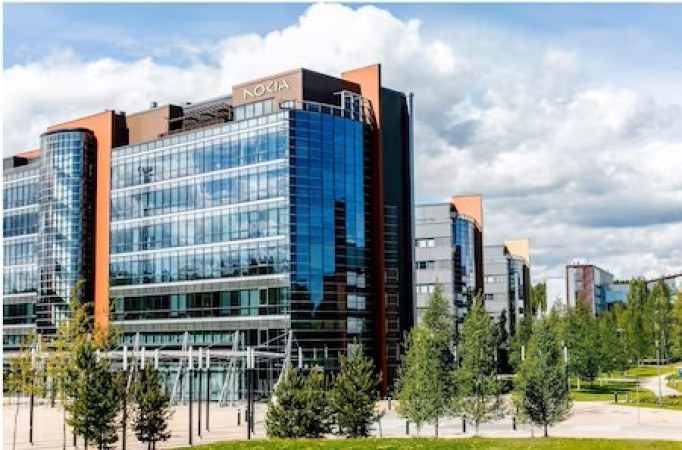
Hitkhabar, In 2025, Nokia continues to redefine its place in the global technology landscape, completing a long transition from a consumer mobile phone giant to a key provider of advanced network infrastructure and digital connectivity solutions. The company’s evolution reflects both the rapid changes in the technology industry and Nokia’s ability to reposition itself around long-term, high-value innovation.
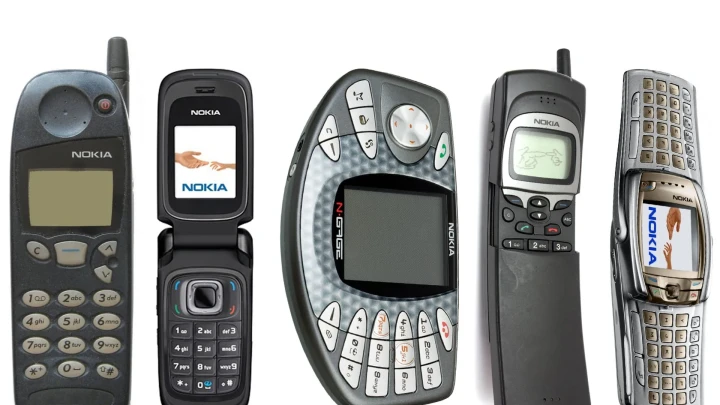
Nokia’s rise to worldwide recognition came in the late 1990s and early 2000s, when its mobile phones became a global standard for reliability and accessibility. For millions of users, Nokia devices represented their first experience of mobile communication. However, the shift toward touchscreen smartphones and software-centric ecosystems reshaped the market. Facing intense competition and changing consumer expectations, Nokia exited the handset business in 2014, marking the end of its dominance in consumer electronics.
Following this exit, Nokia focused on telecommunications networks, enterprise software, and foundational research. Over the next decade, it strengthened its position in mobile and fixed network infrastructure, cloud-based telecom platforms, and mission-critical communication systems. Research conducted through its long-standing innovation arm helped maintain Nokia’s influence in global telecom standards and next-generation technologies.
By 2025, Nokia’s core business centers on 5G networks, private wireless solutions for enterprises, industrial automation, and early development of 6G technologies. Its systems support connectivity for factories, transportation hubs, energy providers, and public sector organizations, where performance, security, and resilience are essential.
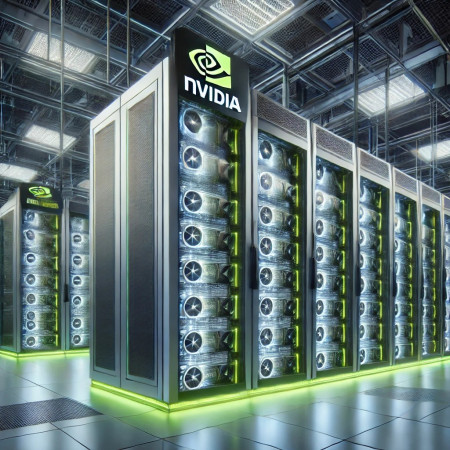
A significant development in 2025 has been the strategic investment and partnership by NVIDIA in Nokia. The collaboration brings together Nokia’s expertise in telecommunications infrastructure with NVIDIA’s leadership in artificial intelligence and accelerated computing. The partnership is focused on integrating AI capabilities into next-generation networks, including AI-driven radio access networks and cloud-native telecom architectures. Industry observers view the move as a strong signal of confidence in Nokia’s strategy and its role in shaping intelligent, software-defined connectivity.
The collaboration highlights a broader industry shift, where telecommunications networks are increasingly combined with AI to improve efficiency, automation, and performance. For Nokia, the investment reinforces its transformation from a former consumer brand into a technology partner for operators, governments, and enterprises building future-ready digital infrastructure.
Today, Nokia’s presence is less visible to consumers than during its mobile phone era, but its impact is far more embedded. In 2025, the company’s networks underpin communication systems across the world, supporting economic activity, digital services, and emerging technologies. Nokia’s journey illustrates how a legacy technology company can adapt, refocus, and remain relevant in an industry defined by constant change.