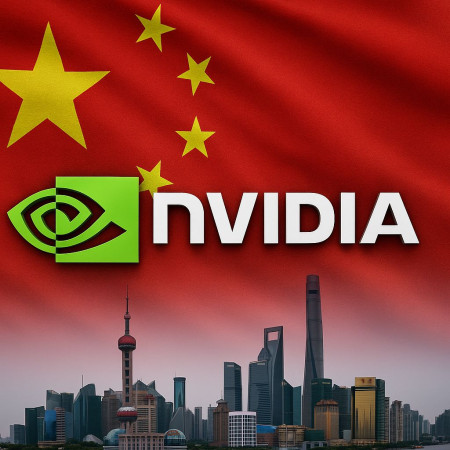
Kathmandu – U.S. chipmaker Nvidia, which recently reported one of its best financial quarters with a 56 percent year-on-year revenue increase, is facing fresh challenges in China. The company’s attempt to enter the Chinese market with its specially designed H20 AI chip has been slowed down by regulatory hurdles, raising concerns among global investors.
Beijing has reportedly flagged the H20 chip as a security risk and advised local technology companies to avoid purchasing it. Following the move, Nvidia halted production through its major partners, leaving the product’s market entry uncertain. China has historically been an important customer for Nvidia, accounting for nearly 15 percent of its data-center revenue, but the current restrictions have left a noticeable gap.
In the absence of the H20 chip, Chinese companies are turning to refurbished A100 and H100 processors, which, though older, are still capable of powering large-scale AI projects. This shift has affected investor confidence, with Nvidia’s stock falling more than 3 percent this week despite its strong global performance. The disruption has also benefited domestic rivals, with Cambricon Technologies recording a surge in demand, higher revenues, and rising share prices.
Nvidia has forecasted revenue of 54 billion U.S. dollars for the upcoming quarter, but the estimate excludes any sales from China, reflecting the uncertainty of its position in the market. Company CEO Jensen Huang has continued to stress the importance of China, calling it a potential 50 billion dollar opportunity, yet the ongoing geopolitical tensions between Washington and Beijing have left the company’s path forward unclear.
For now, Nvidia remains the undisputed global leader in AI hardware, but its inability to fully access China, the world’s second-largest AI market, could reshape the balance of competition in the years to come.