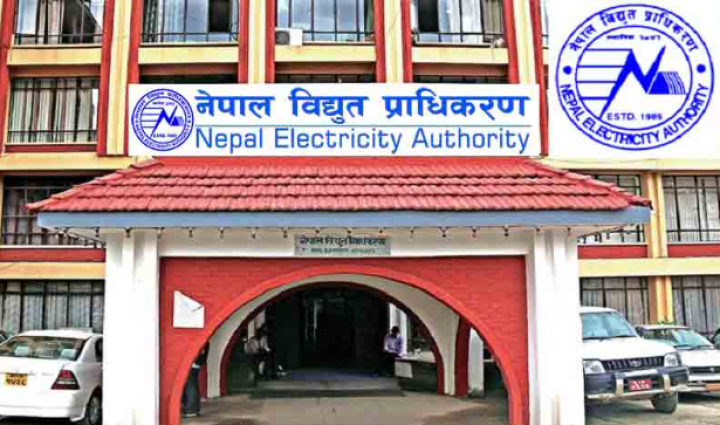
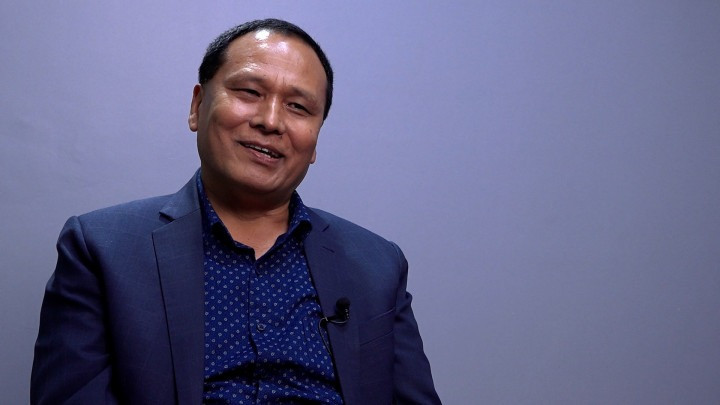
Kathmandu – Former Executive Director of the Nepal Electricity Authority (NEA), Kulman Ghising, has blamed the current leadership of the NEA for mismanagement, leading to nationwide problems in electricity supply despite sufficient power generation.
While on a visit to the United States under the Ujyalo Nepal Abhiyan (Bright Nepal Campaign), Ghising addressed a program organized by the Nepali community in Austin, where he stated that the country is facing a power supply crisis not because of a lack of electricity, but due to the current management's inability to handle operations effectively.
“After the new leadership took over, those performing well were labeled as ‘Kulman’s people’ and removed from responsibility. Even the head of the critical load dispatch center, which manages the national grid, was replaced. When things deteriorated, the same person had to be reinstated. The current crisis is not a resource issue but a complete failure of management,” said Ghising.
He also alleged that the NEA's decision to remove the CEO of the company overseeing the 670 MW Dudhkoshi Reservoir Hydropower Project—being developed with the support of the Asian Development Bank—has thrown the project into uncertainty. The CEO had been working relentlessly as the project approached its final investment stages.
Reflecting on his tenure, Ghising stated that he had turned a loss-making institution into a profitable one, expanded electricity access to nearly every household, and initiated efforts to recover overdue premium charges from industrial clients who received dedicated and trunk lines during the load-shedding era. Despite this, he claimed the government had removed him disrespectfully.
“Ending load-shedding wasn’t magic. It was possible because I carried out my responsibilities as Executive Director with honesty,” he added, acknowledging the support from then-Prime Minister, Energy Minister, NEA employees, general consumers, and the Nepali diaspora.
Ghising explained that the Ujyalo Nepal Abhiyan was launched with a broader vision—to eradicate the deeper darkness in the country, not just through the glow of electric bulbs. He emphasized that the campaign aims to inspire hope and belief that change is possible within Nepal.
He urged everyone to join the campaign, highlighting that it seeks not only electricity access but also good governance, efficient public service delivery, social justice, and economic transformation—a movement toward comprehensive economic revolution within the country.
Before visiting the U.S., Ghising had also toured Bahrain, Oman, UAE, and Qatar to meet with Nepalis working abroad.